





people like books started reading Shadow Ticket by Thomas Pynchon
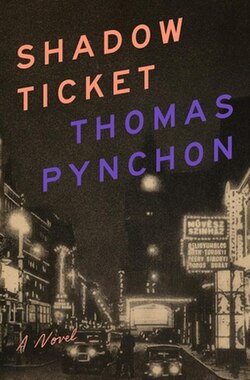
Shadow Ticket by Thomas Pynchon
Milwaukee 1932, the Great Depression going full blast, repeal of Prohibition just around the corner, Al Capone in the federal …

Main fediverse account: @peoplelikedogs@438punk.house.
This link opens in a pop-up window
43% complete! people like books has read 13 of 30 books.
Milwaukee 1932, the Great Depression going full blast, repeal of Prohibition just around the corner, Al Capone in the federal …
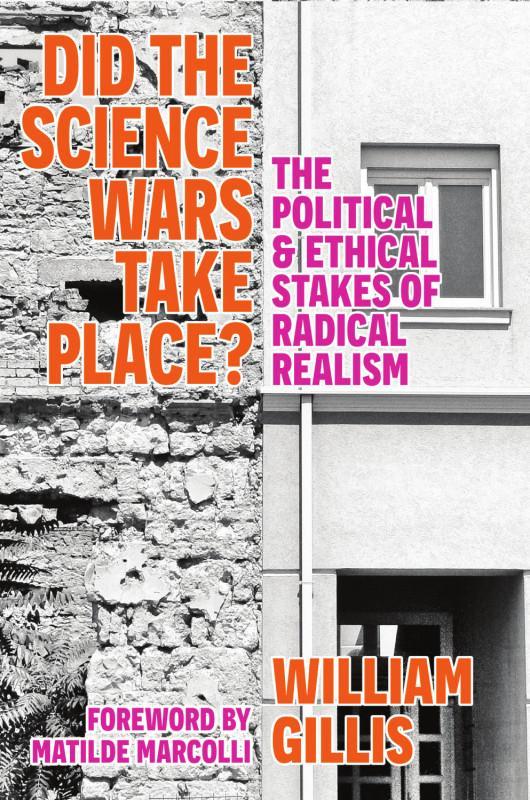
Today, one faction of reactionaries denounce leftists as enemies of science, while another faction of reactionaries happily embrace that same …

In September 1913, a young Pole suffering from tuberculosis arrives at Wilhelm Opitz’s Guesthouse for …
Recommended creepy/unsettling October reading, if you're into that
Recommended creepy/unsettling October reading, if you're into that
In September 1913, a young Pole suffering from tuberculosis arrives at Wilhelm Opitz’s Guesthouse for Gentlemen, a health resort in …
In September 1913, a young Pole suffering from tuberculosis arrives at Wilhelm Opitz’s Guesthouse for Gentlemen, a health resort in …
In September 1913, a young Pole suffering from tuberculosis arrives at Wilhelm Opitz’s Guesthouse for Gentlemen, a health resort in …
@dumbshea@438punk.house ereader
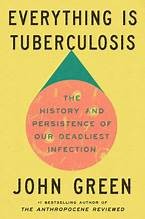
Tuberculosis has been entwined with humanity for millennia. Once romanticized as a malady of poets, today tuberculosis is a disease …
Milwaukee 1932, the Great Depression going full blast, repeal of Prohibition just around the corner, Al Capone in the federal …
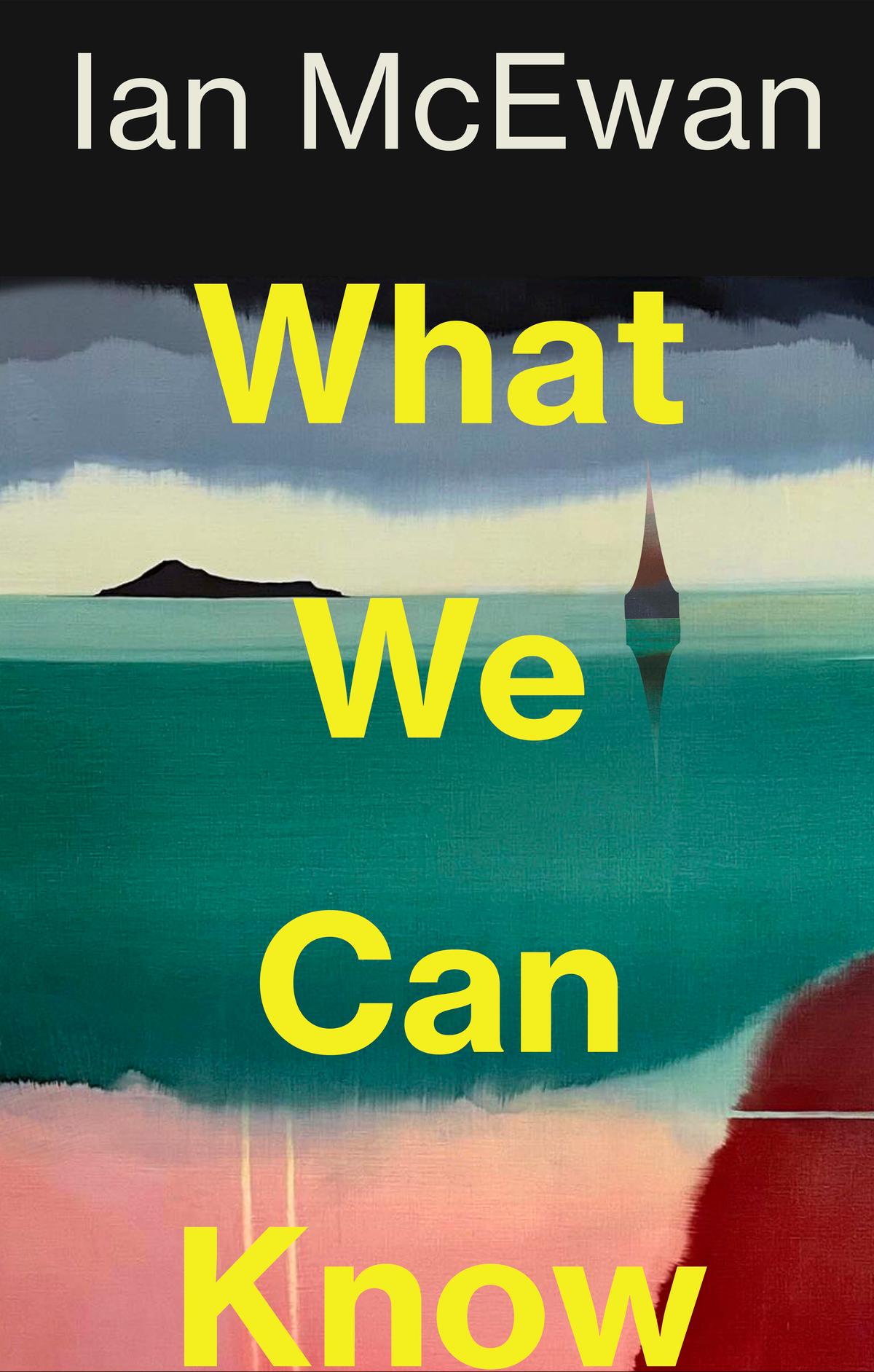
2014: A great poem is read aloud and never heard again. For generations, people speculate …
It was just really bland. Kind of poppy and readable in the way I needed to get out of a slump, and there were some elements of post-climate-disaster worldbuilding that were kinda cool. But I don't think I'd recommended it unless you enjoy British writers with their head up their own ass.
It was just really bland. Kind of poppy and readable in the way I needed to get out of a slump, and there were some elements of post-climate-disaster worldbuilding that were kinda cool. But I don't think I'd recommended it unless you enjoy British writers with their head up their own ass.
2014: A great poem is read aloud and never heard again. For generations, people speculate about its message, but no …

"Eating one's own kind is completely natural behavior in thousands of species, including humans. Throughout history we have engaged in …
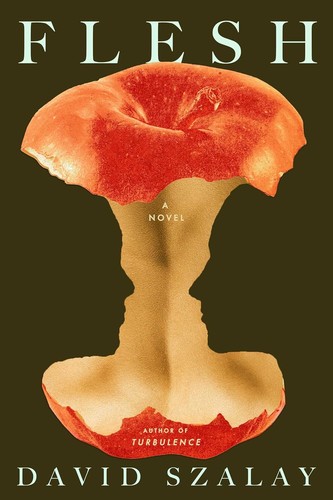
Teenaged István lives with his mother in a quiet apartment complex in Hungary. Shy and …
Meh
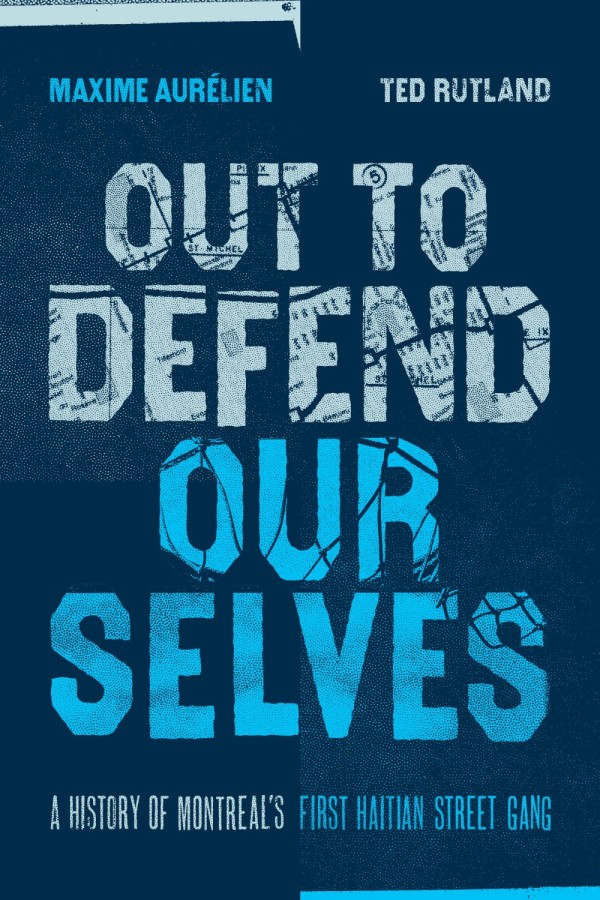
This first critical history of a street gang in a Canadian city is a result of a four-year collaboration between …