A bloke excited to read more, hoping this will inspire better note taking and engagement with the texts. I apparently start most posts with something akin to "This book..."
A sweeping and lyrical novel that follows a young Palestinian refugee as she slowly becomes …
BRABC reading group is tackling this over the next few months. The first forty pages have kept my interest, though I'm not much of a novel-guy. I'm excited to burn through this one.
BRABC reading group is tackling this over the next few months. The first forty pages have kept my interest, though I'm not much of a novel-guy. I'm excited to burn through this one.
Means and Ends is a new overview of the revolutionary strategy of anarchism in Europe …
I'm not a youtube denizen, so missed out on the heyday of Breadtube fame for Zoe Baker / AnarchoZoe (formerly AnarchoPac) and didn't quite know what to expect from the book and her writing style. I must say that I enjoyed Means and Ends in it's treatment of the history of anarchism through contemporary ideas from the collectivist / communist movements of the 1860's through 1940 or so in the US and Europe (the stated period/location of the books coverage). The book carefully, patiently and (I think) respectfully explains conflicts and developments through what she and the authors sourced refer to as mass anarchism (the wikipedia for the term points to the Social Anarchism page). Zoe contributes to the blog for the anarcho-syndicalist ICL-CIT (a split from the IWA-AIT in 2018 that includes the IWW, CNT, FAU, USI, FORA, IP and ESE). The format of the book, employing authors to …
I'm not a youtube denizen, so missed out on the heyday of Breadtube fame for Zoe Baker / AnarchoZoe (formerly AnarchoPac) and didn't quite know what to expect from the book and her writing style. I must say that I enjoyed Means and Ends in it's treatment of the history of anarchism through contemporary ideas from the collectivist / communist movements of the 1860's through 1940 or so in the US and Europe (the stated period/location of the books coverage). The book carefully, patiently and (I think) respectfully explains conflicts and developments through what she and the authors sourced refer to as mass anarchism (the wikipedia for the term points to the Social Anarchism page). Zoe contributes to the blog for the anarcho-syndicalist ICL-CIT (a split from the IWA-AIT in 2018 that includes the IWW, CNT, FAU, USI, FORA, IP and ESE).
The format of the book, employing authors to speak about the positions and visions anarchists have taken at the time and their own developments through positions (like Johann Mosts move from Insurrectional Anarchism in the 1880s to Mass Anarchism in the last decades of his life, or the reversed move by Luigi Galleani), an explanation of the development of Syndicalism to Revolutionary Syndicalism to Syndicalism Plus and Anarcho-Syndicalism, conflicts over The Platform versus the Synthesis, the role of Propaganda By The Deed... The book is a good, straightforward if a bit long: the length and repetition in simple terms are things i found helpful to settle into the ideas. Also, I had an advanced reader copy from the publisher, so there may have been further editing and clarification as this copy appears more husky than the ones I've seen at the bookstore.
I would suggest this book for anarchists (particularly in the US context) looking to get a better grasp on some of the big points in anarchist history, some of the important thinkers and some degree of understanding of core concepts engaged by many comrades elsewhere.
In November 2023, the Dublin riots shocked Ireland and the wider world. They were sparked …
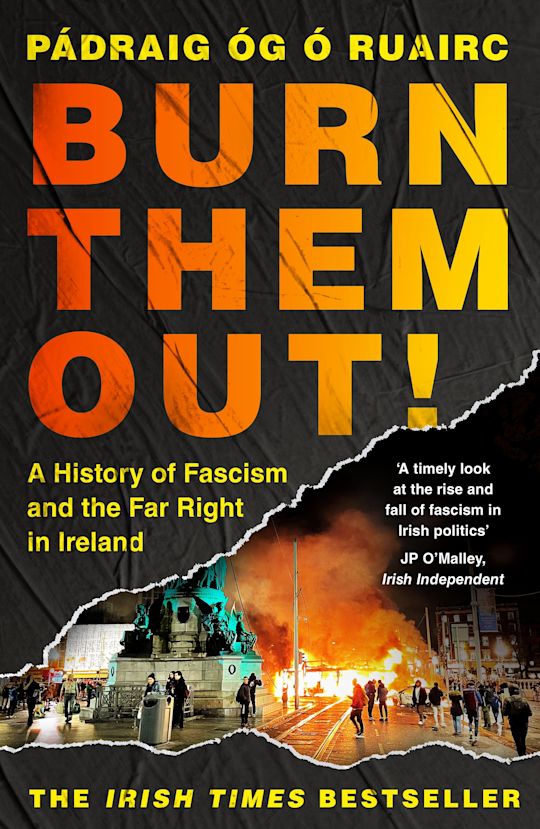
After hearing the author appear on a number of podcasts I listen to (The Empire Never Ended, The State Between Us, Yeah Nah Pasaran!), I figured I'd give the book a go. As someone with a fascination in radical politics and Irish history, and of the diaspora, the overlap between Republicanism and Nationalism in the Irish struggle for independence is a curious one. The story of "How The Irish Became White" tells a story of the diaspora falling under sway of racial settlerism, but I've wondered what the reaction in Ireland looks like. The book is well-written and researched, with a partisanship that's clear through the authors sense of humor. The last chapter that brings the story up to date, speaking of anti-immigrant marches in recent years is striking and well worth a read. There is a certain Irish exceptionalism that points to the Irish as being somehow immune to …
After hearing the author appear on a number of podcasts I listen to (The Empire Never Ended, The State Between Us, Yeah Nah Pasaran!), I figured I'd give the book a go. As someone with a fascination in radical politics and Irish history, and of the diaspora, the overlap between Republicanism and Nationalism in the Irish struggle for independence is a curious one. The story of "How The Irish Became White" tells a story of the diaspora falling under sway of racial settlerism, but I've wondered what the reaction in Ireland looks like.
The book is well-written and researched, with a partisanship that's clear through the authors sense of humor. The last chapter that brings the story up to date, speaking of anti-immigrant marches in recent years is striking and well worth a read.
There is a certain Irish exceptionalism that points to the Irish as being somehow immune to the lure of fascism, but the author does a great job of countering this. This also gets extended to the Republican movement, to which the author is sympathetic. It is refreshing to read a book by an author willing to show the warts and give warning of the need to be vigilant in our antifascism.
Means and Ends is a new overview of the revolutionary strategy of anarchism in Europe …
I've been meaning to pick this up for a bit, so I'm going to give it a spin. I'm about 100 pages in so far and appreciating her work of synthesizing perspectives.The book wasn't what I expected, being more syntheses of viewpoints of anarchist authors on various topics as a way of giving a history of the ideas of anarchist collectivists and communists from the 1860's-1940's in Europe and the US (i'd assumed it was more a history from above than filled with direct quotes in the words of the authors). But, I'm here for it.
I've been meaning to pick this up for a bit, so I'm going to give it a spin. I'm about 100 pages in so far and appreciating her work of synthesizing perspectives.The book wasn't what I expected, being more syntheses of viewpoints of anarchist authors on various topics as a way of giving a history of the ideas of anarchist collectivists and communists from the 1860's-1940's in Europe and the US (i'd assumed it was more a history from above than filled with direct quotes in the words of the authors). But, I'm here for it.
A journalist's twenty-year fascination with the Manson murders leads to shocking new revelations about the …
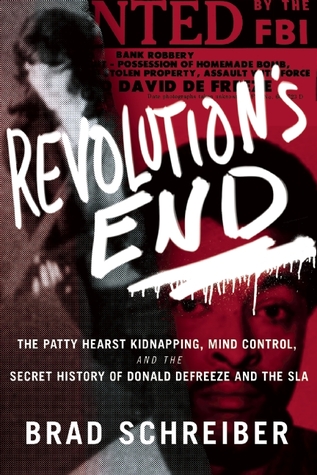
I've never been drawn to serial killers or true crime, but this book was entertaining in it's study of faults in the narratives around this case by the original prosecution, questions about why law enforcement seemed to hold back from sharing evidence or leads, the overlaps between the prosecution and the entertainment industry (through Bugliosi's accepted narrative released in "Helter Skelter"), the apparent participation of government agencies (BOP, CIA, local LEA) in Manson's past who at times seemed to give him a pass on his legal transgressions prior to the Tate-LaBianca murders. The author expresses surprise to learn about Operations Chaos and MKUltra, which seems feigned but saves the book a feel of hard conspiracy theorism. I'd love to see more exploration of the details in here that seems to echo interesting overlaps in facilities and the application of hallucinagens and pressure by other former prisoners at the time in …
I've never been drawn to serial killers or true crime, but this book was entertaining in it's study of faults in the narratives around this case by the original prosecution, questions about why law enforcement seemed to hold back from sharing evidence or leads, the overlaps between the prosecution and the entertainment industry (through Bugliosi's accepted narrative released in "Helter Skelter"), the apparent participation of government agencies (BOP, CIA, local LEA) in Manson's past who at times seemed to give him a pass on his legal transgressions prior to the Tate-LaBianca murders.
The author expresses surprise to learn about Operations Chaos and MKUltra, which seems feigned but saves the book a feel of hard conspiracy theorism. I'd love to see more exploration of the details in here that seems to echo interesting overlaps in facilities and the application of hallucinagens and pressure by other former prisoners at the time in efforts to "brainwash" their captives (for instance Cinque of the SLA).
A new wave of aspiring neo-Nazi terrorists has arisen--including the infamous Atomwaffen Division. And they …
This book is well researched and really fills in some gaps in the history of neo-nazi groups in the US from ANP through it's various splinters, the founding of the NSM and into the roots of accellorationist groups like Atomwaffen and it's offshoots, tracing the participation, memories and publications of James Mason. Additionally, we get documentation of the nazism often coyly and ironically denied by such edgelords as the Abraxas Clique (overlapping through Industrial and Neo-folks scenes in the '80s and '90s, publishers like Feral House, the Church of Satan and the serial killer cult around Charles Manson).
This book is well researched and really fills in some gaps in the history of neo-nazi groups in the US from ANP through it's various splinters, the founding of the NSM and into the roots of accellorationist groups like Atomwaffen and it's offshoots, tracing the participation, memories and publications of James Mason. Additionally, we get documentation of the nazism often coyly and ironically denied by such edgelords as the Abraxas Clique (overlapping through Industrial and Neo-folks scenes in the '80s and '90s, publishers like Feral House, the Church of Satan and the serial killer cult around Charles Manson).
"Using a synthesis of ecology, anthropology, philosophy and political theory, this book traces our society's …
I participated in a four month reading group with the local solidarity economy study group of Murray Bookchin's magnum opus, The Ecology of Freedom. I cleverly called this the Murray Bookclub (you can use that, no attribution needed, that's usufruct). I'm really glad that I got to discuss the text with other folks, pick their brains and share the feels. The book club started with about 25 people and whittled down to about 8 tops by the by-weekly gatherings, covering about 50 pages a session with one volunteer per chapter leading the discussion and sometimes another facilitator moving the chat along. The book itself was challenging for me (and i think for others). First up he was an autodidact who grew up communist, turned anarchist, and had been writing and organizing for 5 decades by the time he wrote this book, so his rhetorical style was a bit different than …
I participated in a four month reading group with the local solidarity economy study group of Murray Bookchin's magnum opus, The Ecology of Freedom. I cleverly called this the Murray Bookclub (you can use that, no attribution needed, that's usufruct). I'm really glad that I got to discuss the text with other folks, pick their brains and share the feels. The book club started with about 25 people and whittled down to about 8 tops by the by-weekly gatherings, covering about 50 pages a session with one volunteer per chapter leading the discussion and sometimes another facilitator moving the chat along.
The book itself was challenging for me (and i think for others). First up he was an autodidact who grew up communist, turned anarchist, and had been writing and organizing for 5 decades by the time he wrote this book, so his rhetorical style was a bit different than what I was used to reading. His steeping in Greek philosophy and Roman history bespoke a classical education I was passingly familiar with. And it was hard at times to see past his sweeping generalizations about "organic" societies and progressivist arguments about human development. That said, once i gave him a chance, Murray nuanced his arguments and showed an aptitude to be challenged that I appreciated. There are probably some good essays out there coming from good faith critique at this nearly 40 year old book and it's shortcomings (only nods to settler-colonialism, eurocentrism, lack of engagement with anti-Black and other forms of racism in the society he at times idolized).
My main criticism is that he tried to do too much at once and tried to pretty it up too much with a complicated vocabulary. It wasn't clear to me even by the end who his audience was.
That said, I did get some good vocab fro the book (I have three new words for apocalypticism that I didn't have before), some new questions about rifts in the early Christian church (Paul versus James, go!). His wide argument that authoritarian tendencies and hierarchies that developed in society undid the social, spiritual and economic ties we had to the world, those around us and ultimately ourselves is well taken. And I appreciate his argument that there is no unlearning bad patterns but that our historic and current experience of unfreedom can help guide our creating of actual freedom rings of a Marxist "well, we're here now, what do you want to do" position around "primitive communism". I'm in agreement, we're carrying baggages already and most of it'll we'll have to schlep into whatever utopia we try build.
A few things I was surprised to read from Bookchin (based on the anti-Bookchin perspectives i gleaned from the early 2000's anti-civ / Green Anarchist world) included: his positioning of technology within the realm of the social and reflecting social values in design and usage; his leaning at times (with caveat) on the importance of the mystical in the stories we tell ourselves about the world we live in and the place we inhabit in it; his vocal support of the aesthetic and of joy, beauty and luxury (within a system of values) that he felt had fallen by the wayside in our modern, atrophied sense of the desire. Bookchin's thoughtfulness and care is apparent as he sees what we've been and the germs of what we can be inside of us, isn't prescriptive about how to get there but just invites us to change direction.
I think the book could be described as a love letter to the libertarian (in the anarchist sense) socialist (in the libertarian sense) impulse and movement. And in this way, it's quite lovely. I'm glad I read it (with comrades) and, tbh, I'm glad to put it down (once I've re-read the 75 pages of introduction to later printings (sigh).
What's the relationship between combating the far right and working for systemic change? What does …
I really enjoyed the essays in this book. The introduction by Xtn and Matthew provides a great introduction to the tendency of Three Way Fight, it included essays I'd read before ("Antifascism Against Machismo" and "Fascism & Antifascism: An Indigenous Perspective") as well as many other great contributions I hadn't come across before (like D.Z. Shaw's "Seven Theses..." and some of the historic pieces from the Sojourner Truth Organization or ARA Research Network). The perspective that fascist ideas should be understood and taken seriously to be countered and defeated, that liberal antifascism fits hand in glove with capitalist repression, and that working class and autonomous antifascist organizing needs to have a revolutionary horizon to not only counter the other two but to make a world where neither capitalism nor fascism or authoritarianism has a place... this really resonates with me at this point. Good food for thought. Though I admit, …
I really enjoyed the essays in this book. The introduction by Xtn and Matthew provides a great introduction to the tendency of Three Way Fight, it included essays I'd read before ("Antifascism Against Machismo" and "Fascism & Antifascism: An Indigenous Perspective") as well as many other great contributions I hadn't come across before (like D.Z. Shaw's "Seven Theses..." and some of the historic pieces from the Sojourner Truth Organization or ARA Research Network).
The perspective that fascist ideas should be understood and taken seriously to be countered and defeated, that liberal antifascism fits hand in glove with capitalist repression, and that working class and autonomous antifascist organizing needs to have a revolutionary horizon to not only counter the other two but to make a world where neither capitalism nor fascism or authoritarianism has a place... this really resonates with me at this point. Good food for thought.
Though I admit, I don't understand Don Hamerquist's writing. I need to approach it again with fresh eyes.
Excited to dig into this. I really enjoyed the "Seven Theses..." essay in the Three Way Fight Book and I'm hoping for some good thoughts to chew on here
Excited to dig into this. I really enjoyed the "Seven Theses..." essay in the Three Way Fight Book and I'm hoping for some good thoughts to chew on here
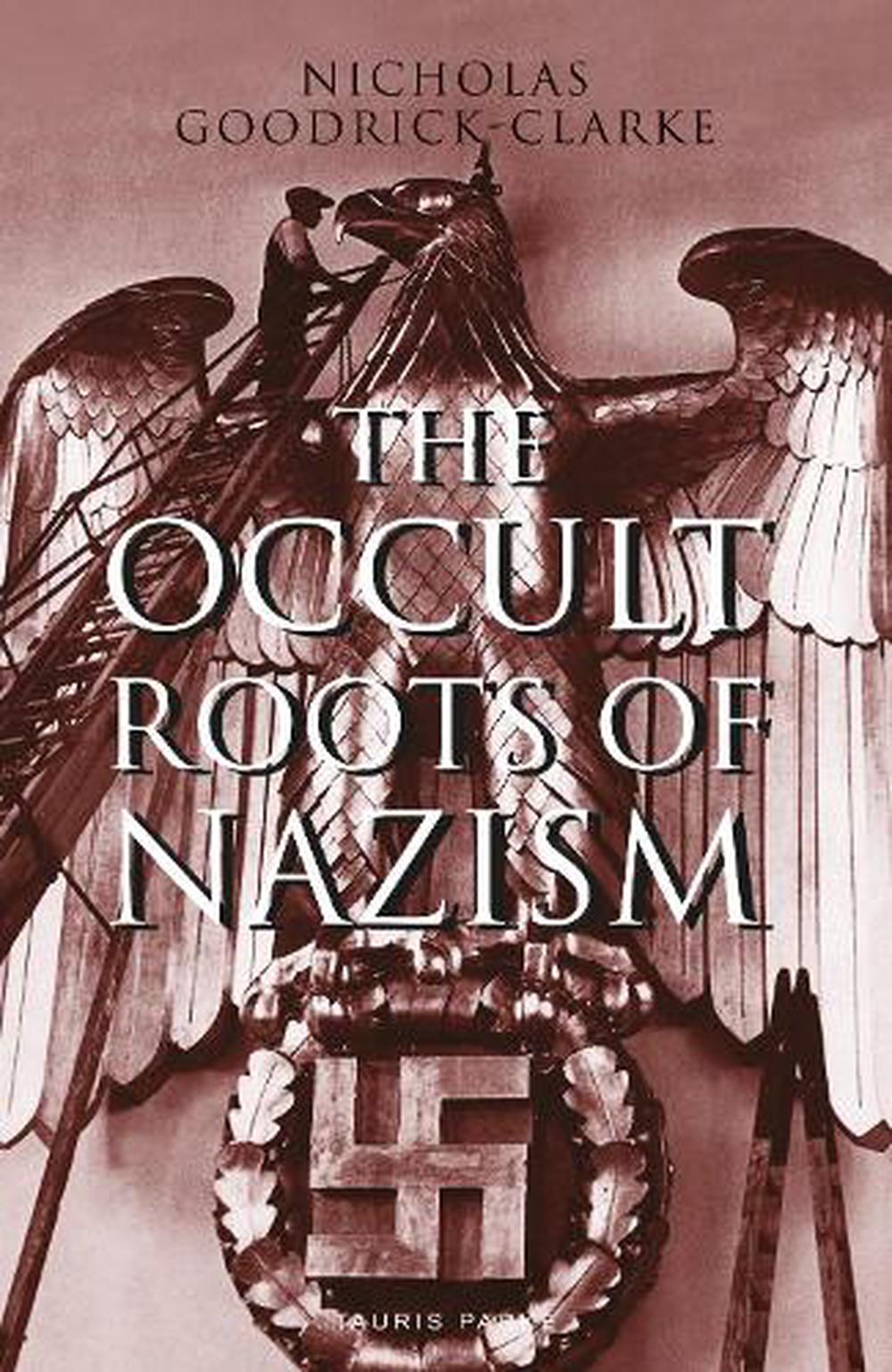
A really good academic dive through romantic, pan-germanic occult groups affecting the milieu of pre-WWI through Third Reich German speaking Europe, the freaks and their goofball ideas and influences and a sober assessment of how deeply certain Nazi leaders (particularly Himmler and Hitler) decisions were shaped by Ariosophy and Armanism... the answer being somewhat and probably none, respectively. The appendix contains an essay "The Modern Mythology of Nazi Occultism" that traces the mystique and some possible motivations since the 1960's of this whole discourse that the book tries to put to rest, noting periods of incarceration of occult thinkers in the Nazi regime, the closing of presses and "sectarian" volkisch organizations like Germanenorden or the Thule Society. Also, some interesting history of ongoing occultic tendencies like Theosophy and Wotanism.
A really good academic dive through romantic, pan-germanic occult groups affecting the milieu of pre-WWI through Third Reich German speaking Europe, the freaks and their goofball ideas and influences and a sober assessment of how deeply certain Nazi leaders (particularly Himmler and Hitler) decisions were shaped by Ariosophy and Armanism... the answer being somewhat and probably none, respectively. The appendix contains an essay "The Modern Mythology of Nazi Occultism" that traces the mystique and some possible motivations since the 1960's of this whole discourse that the book tries to put to rest, noting periods of incarceration of occult thinkers in the Nazi regime, the closing of presses and "sectarian" volkisch organizations like Germanenorden or the Thule Society. Also, some interesting history of ongoing occultic tendencies like Theosophy and Wotanism.
There are many books and articles reporting state repression, but not on that subject’s more …
Really interesting reflections of insights around undercover cops and police informant activities by Sakai, plus an interview from a G20 defendant. Published a decade ago, so I really appreciate Sakai's eschewing of technical solutions to security (it wouldn't have aged well otherwise).
Really interesting reflections of insights around undercover cops and police informant activities by Sakai, plus an interview from a G20 defendant. Published a decade ago, so I really appreciate Sakai's eschewing of technical solutions to security (it wouldn't have aged well otherwise).